Unleash the Future: Top Sustainable Pet Food Trends for 2026

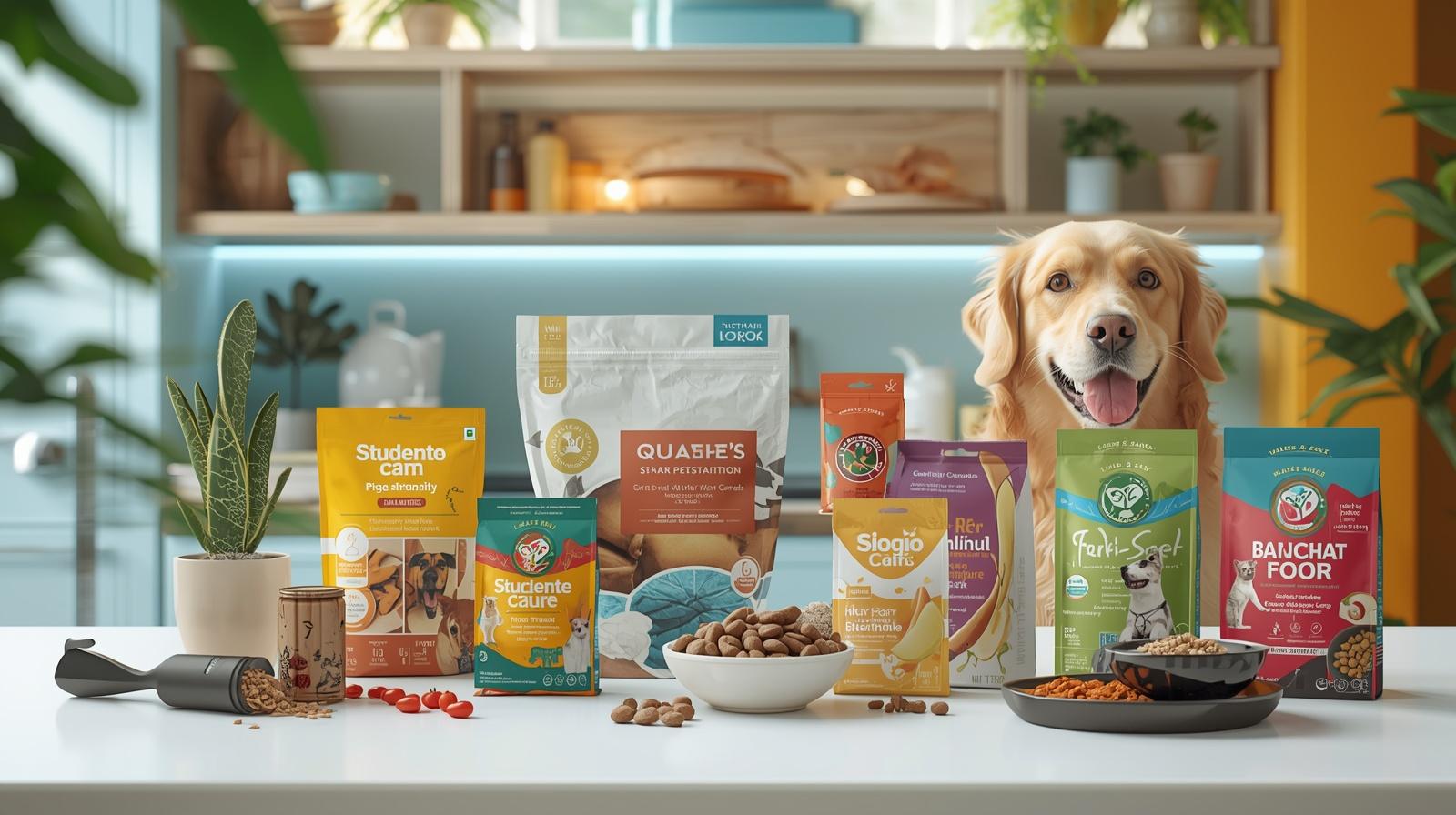
As we step into the year 2026, the landscape of pet ownership in the United States has undergone a remarkable transformation. Driven by a growing awareness of environmental sustainability and a desire for healthier, more ethical choices, pet owners across the nation are embracing a new era of sustainable pet food trends that are reshaping the industry.
In this article, we’ll delve into the top sustainable pet food trends that are capturing the hearts and minds of modern US households, offering insights into the innovative products, mindful practices, and societal shifts that are redefining the way we nourish our beloved furry companions.
The Rise of Plant-Based Pet Food
One of the most significant trends in the sustainable pet food landscape is the surge in popularity of plant-based options. Spurred by the success of the plant-based human food movement, pet owners in the US are increasingly seeking out meat-free, environmentally-friendly alternatives for their four-legged family members.
The demand for plant-based pet food has skyrocketed, with major brands like Purina and Hill’s Pet Nutrition launching a wide array of high-quality, nutrient-rich plant-based formulas. These innovative products, which incorporate ingredients like pea protein, lentils, and chickpeas, not only cater to the ethical concerns of pet owners but also boast impressive nutritional profiles that rival traditional meat-based diets.
According to a recent survey by the American Pet Products Association, nearly 30% of US households now include a plant-based pet food option in their pet’s regular diet, a remarkable increase from just a few years ago. “The shift towards plant-based pet food is being driven by a combination of factors,” explains Dr. Emily Wilson, a veterinary nutritionist based in Los Angeles. “Pet owners are becoming more conscious of the environmental impact of animal agriculture, and they’re seeking out alternatives that align with their personal values while still providing complete and balanced nutrition for their pets.”
The Surge of Locally-Sourced and Sustainable Ingredients
Alongside the rise of plant-based pet food, another key trend in the sustainable pet food landscape is the growing demand for locally-sourced and sustainably-produced ingredients. Pet owners in the US are increasingly seeking out pet food brands that prioritize the use of locally-grown, minimally processed, and environmentally-friendly ingredients.
“There’s a strong movement among pet owners to support local and regional food producers,” says Sarah Goldstein, a pet food industry analyst based in Chicago. “They want to know where their pet’s food is coming from, and they’re willing to pay a premium for products that use high-quality, sustainable ingredients sourced from nearby farms and suppliers.”
This trend has led to the proliferation of pet food brands that highlight their commitment to local and sustainable sourcing, often featuring partnerships with small-scale farmers and producers. These brands not only appeal to the eco-conscious pet owner but also contribute to the overall health and well-being of their furry companions by providing nutrient-dense, minimally processed ingredients.
The Growth of Personalized and Customized Pet Food
In the ever-evolving landscape of sustainable pet food, another trend that has gained significant traction is the rise of personalized and customized pet food solutions. Pet owners in the US are increasingly seeking out pet food that is tailored to the unique needs and preferences of their individual pets, driven by a desire for more personalized and holistic care.
“Today’s pet owners are more engaged and informed than ever before,” says Dr. Samantha Bauer, a veterinarian in Seattle. “They want to provide their pets with the best possible nutrition, and that often means finding a pet food that is specifically formulated to address their individual health concerns, activity levels, and even personal tastes.”
This demand has given rise to a growing number of pet food companies that offer customized formulas, with options ranging from breed-specific blends to diets designed for pets with specific medical conditions or dietary restrictions. These personalized solutions not only cater to the individual needs of pets but also align with the sustainable ethos of modern pet owners, who are increasingly seeking out more holistic and tailored approaches to pet care.
The Emergence of Upcycled and Zero-Waste Pet Food
As the focus on sustainability continues to shape the pet food industry, another trend that has gained significant traction is the rise of upcycled and zero-waste pet food solutions. Pet owners in the US are becoming increasingly aware of the environmental impact of pet food production and are seeking out brands that prioritize the responsible use of resources.
“Upcycled pet food is a game-changer in the sustainable pet food space,” explains Olivia Nguyen, a sustainability consultant in New York City. “These products take ingredients that would otherwise be considered waste, such as imperfect produce or byproducts from human food production, and transform them into nutrient-dense pet food. It’s a win-win for both the environment and our furry friends.”
Leading pet food brands have responded to this demand by launching innovative upcycled and zero-waste formulas that not only reduce food waste but also provide high-quality nutrition for pets. These products not only appeal to the eco-conscious pet owner but also contribute to the broader sustainability efforts within the industry.
The Rise of Transparency and Traceability
As pet owners become more discerning and informed about the ingredients and production processes behind their pet’s food, the demand for transparency and traceability has emerged as a critical trend in the sustainable pet food landscape.
“Today’s pet owners want to know exactly what they’re feeding their pets, and they’re not afraid to ask tough questions,” says Sarah Goldstein, the pet food industry analyst. “They want to see clear labeling, detailed ingredient lists, and information about the sourcing and manufacturing processes behind the pet food they’re purchasing.”
In response to this growing demand, many pet food brands have embraced a more transparent approach, providing comprehensive information about their products and supply chains. This includes detailed product labeling, online resources that highlight the origins of their ingredients, and even virtual tours of their manufacturing facilities.
By fostering a culture of transparency, these pet food brands are not only building trust with their customers but also setting a new standard for accountability and sustainability within the industry.
The Emergence of Sustainable Packaging Solutions
As the focus on sustainability continues to shape the pet food industry, the emergence of sustainable packaging solutions has become a crucial trend. Pet owners in the US are increasingly conscious of the environmental impact of traditional pet food packaging, and they’re demanding more eco-friendly alternatives.
“Plastic-based pet food bags and cans have long been the norm, but pet owners are now looking for packaging that is more sustainable and reduces waste,” explains Olivia Nguyen, the sustainability consultant. “We’re seeing a rise in the use of compostable, recyclable, and even refillable packaging options that are not only better for the environment but also align with the values of modern pet owners.”
Leading pet food brands have responded to this demand by investing in innovative packaging solutions that minimize their environmental footprint. This includes the use of plant-based materials, such as compostable bags made from renewable resources, as well as the introduction of refillable containers that reduce single-use waste.
By embracing sustainable packaging solutions, pet food brands are not only addressing the concerns of eco-conscious pet owners but also contributing to the broader sustainability efforts within the industry.
The Power of Pet Owner Advocacy
Underpinning all of these sustainable pet food trends is the growing influence of pet owner advocacy. As pet owners in the US become more informed and engaged, they are increasingly using their purchasing power to drive positive change within the pet food industry.
“Pet owners today are not just passive consumers; they’re actively shaping the future of the industry,” says Dr. Samantha Bauer, the Seattle-based veterinarian. “They’re using social media, online reviews, and direct communication with brands to voice their preferences and demand more sustainable, ethical, and transparent pet food options.”
This surge of pet owner advocacy has led to a significant shift in the way pet food brands approach their product development and marketing strategies. Brands that fail to address the sustainability concerns of their customers risk losing market share to those that prioritize environmental responsibility and social consciousness.
By harnessing the power of pet owner advocacy, the sustainable pet food movement has gained significant momentum, pushing the industry to evolve and adapt to the changing needs and values of modern US households.
Embracing the Future of Sustainable Pet Food
As we look ahead to the year 2026, the sustainable pet food landscape in the United States is poised for continued growth and innovation. The trends outlined in this article – from the rise of plant-based options to the emergence of upcycled and zero-waste solutions – are just the beginning of a transformative shift in the way we nourish our beloved pets.
By embracing these sustainable pet food trends, pet owners in the US are not only improving the health and well-being of their furry companions but also contributing to the broader environmental and social responsibility efforts that are shaping the future of the pet industry. As we move forward, it’s clear that the pet food of tomorrow will be defined by its commitment to sustainability, transparency, and the evolving needs of the modern household.