Your Ultimate Guide to Stress-Free Pet Travel Across America

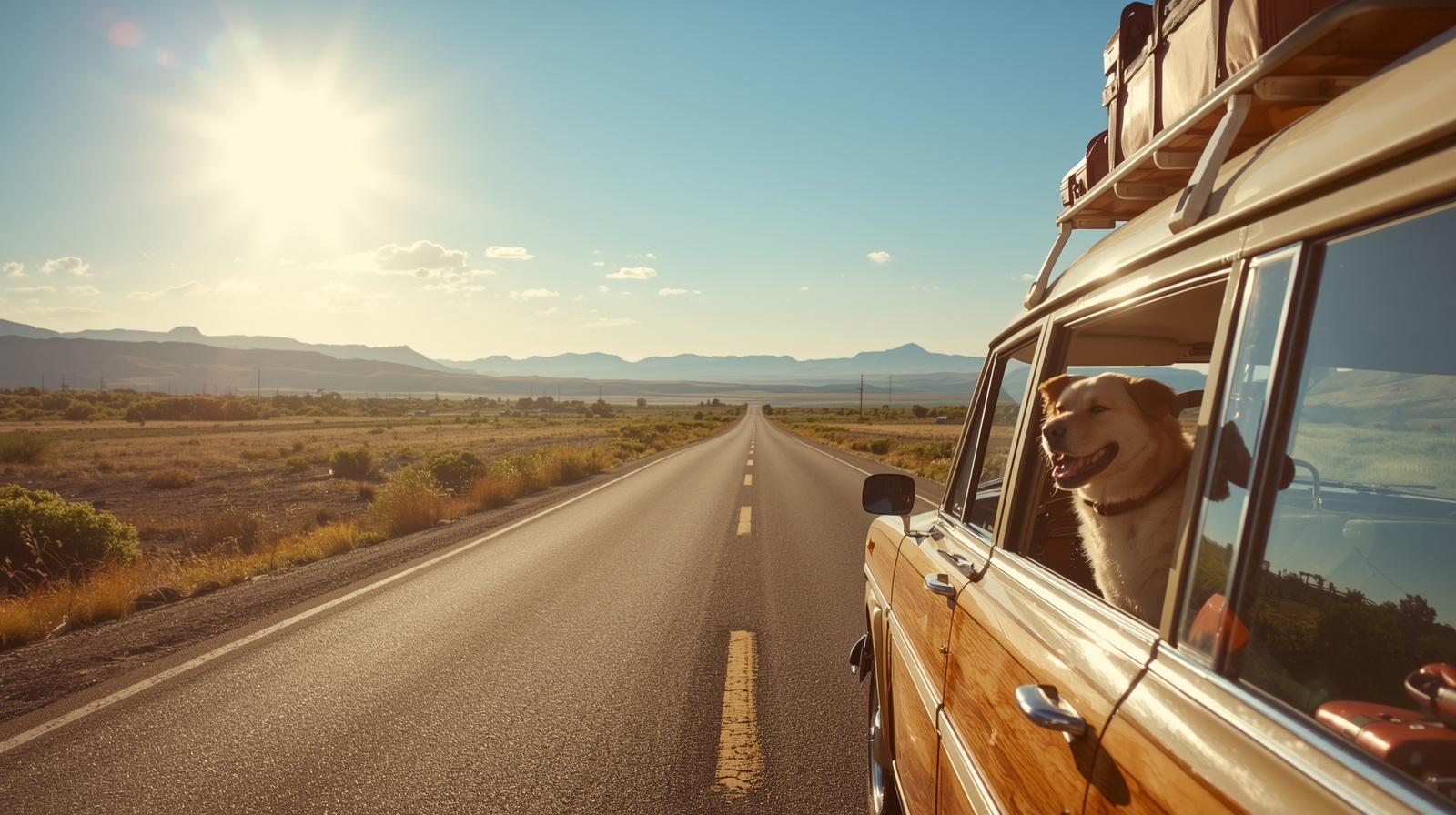
Remote work culture and the vanlife movement are absolutely exploding right now, and more families than ever before are packing up their lives and hitting the open road for epic cross-country adventures. Whether you’re chasing sunsets on Route 66, exploring national parks, or just making your way from coast to coast, one thing is clear — traveling with your furry best friend adds a whole new layer of joy to the journey. But it also adds a whole new layer of responsibility. The truth is, a truly great road trip with your pet doesn’t happen by accident. It takes careful planning, the right gear, and a genuine understanding of what your animal companion needs to feel safe, comfortable, and happy mile after mile. This guide covers everything you need to know to make your next big adventure one that both you and your pet will absolutely love.
Getting Your Pet Completely Road-Trip Ready Before You Leave Home
The secret to an amazing pet travel experience starts way before you ever pack the car or map out your route. Most people make the mistake of waiting until the last minute to think about their pet’s needs, and that almost always leads to stress — for both the human and the animal. The very first thing you should do, ideally weeks before your departure date, is schedule a full veterinary checkup. Thanks to the incredible resources available today, many vets now offer virtual visits, which means you can get professional advice and even prescription medications without leaving your home. This is a huge win for busy families who are juggling a million pre-trip tasks at once.
During that vet visit, make sure all your pet’s vaccinations are completely up to date, and get printed copies of those vaccination records. Many pet-friendly hotels, campgrounds, and even some rest stops now require proof of vaccination before allowing animals on their property. It’s also a smart idea to ask your vet about microchipping if your pet isn’t already chipped — this is one of the most effective ways to ensure your companion can be identified and returned to you if something unexpected happens on the road. Beyond the paperwork, you’ll also want to spend the weeks leading up to your trip slowly introducing your pet to the car environment. Short practice drives help animals get used to the motion, the sounds, and the smells of vehicle travel, dramatically reducing anxiety when the real journey begins.
Consider investing in quality car accessories specifically designed for pets, including adjustable harnesses that attach to seatbelts and elevated booster seats that let smaller dogs see out the window while staying safely secured. These aren’t just comfort items — they’re genuine safety tools that protect your pet during sudden stops or unexpected turns. Acclimating your pet to these accessories at home first, before the trip, makes the actual travel day far smoother and less stressful for everyone involved.
Building the Perfect Pet Packing Checklist for Long-Distance Travel
Once your pet is prepped and ready, it’s time to think seriously about what you’re actually bringing along for the ride. Packing for a pet is a completely different skill set from packing for yourself, and forgetting even one essential item can turn a great day into a really difficult one. The good news is that the pet product market has never been more innovative or more thoughtful, with tons of high-tech, eco-friendly options that make traveling more convenient and more sustainable than ever before. From collapsible silicone bowls that fold flat and fit in a jacket pocket to biodegradable waste bags that don’t harm the environment, today’s pet travel gear is genuinely impressive.
Building a dedicated pet travel bag that stays packed and ready to go is one of the smartest habits you can develop as a pet-traveling family. Keep it stocked and refresh it after every trip so you’re never scrambling at the last minute. Having everything organized in one designated bag also means that if you need to grab something quickly at a rest stop or a trailhead, you know exactly where it is without digging through the entire car.
- Collapsible water bowl: Hydration is absolutely critical during long drives, especially in warm weather. A collapsible bowl takes up almost no space and makes quick water stops effortless and mess-free.
- Your pet’s regular food and extra treats: Always bring more food than you think you’ll need. Changes in routine can affect a pet’s appetite, and having familiar food on hand prevents digestive upset that can come from sudden diet changes.
- All necessary medications in clearly labeled containers: If your pet takes any regular medications, pack enough for the entire trip plus a few extra days as a buffer. Keep them in a cool, accessible spot in the car.
- A cozy bed or familiar blanket: Bringing something that smells like home creates a powerful comfort zone for your pet in unfamiliar environments, helping them settle down faster at new locations.
- A high-quality harness or properly secured travel crate: This is non-negotiable for safety. Your pet should never ride unrestrained, no matter how well-behaved they are during normal car rides.
Keeping Your Pet Safe and Happy During the Actual Journey
Once you’re finally cruising down the highway with your pet riding shotgun, your number one priority shifts entirely to keeping them safe and comfortable throughout the drive. Proper restraint is the foundation of everything — never allow your pet to roam freely inside a moving vehicle. An unrestrained pet can become a dangerous projectile during sudden braking, and they can also distract the driver in ways that create serious safety risks for everyone in the car. Whether you choose a crash-tested harness that connects to the seatbelt system or a secured travel crate anchored to the cargo area, the key is consistency. Use the restraint system every single time, on every single drive, so your pet learns that this is simply how car travel works.
Temperature management is another area that deserves serious attention. Make absolutely sure your vehicle’s air conditioning is working perfectly before you leave, because the interior of a car can reach dangerously high temperatures extremely quickly, even on days that don’t feel particularly hot outside. Today’s newer vehicles often come equipped with smart climate control systems that can actually detect the presence of animals and maintain appropriate cabin temperatures automatically — a genuinely life-saving feature for pet travelers. Take full advantage of the growing number of pet-friendly rest stops across America to give your companion regular breaks every two to three hours. These stops give your pet a chance to stretch their legs, relieve themselves, get some water, and simply decompress from the constant motion and stimulation of highway travel. A well-exercised, well-hydrated pet is a calmer, happier travel companion for the long haul.
Pay close attention to your pet’s body language throughout the journey. Signs of stress, overheating, or motion sickness can include excessive panting, drooling, whining, restlessness, or unusual lethargy. Catching these signals early and responding quickly — with a rest break, fresh water, or simply a few minutes of calm reassurance — can prevent a minor discomfort from escalating into a genuine health concern. Keep your vet’s contact information and the number for a 24-hour animal emergency line easily accessible throughout the trip, just in case.
Handling Unexpected Moments and Surprises on the Road
No matter how thoroughly you plan your trip, the open road has a way of throwing curveballs. Surprises are simply part of travel, and the best pet owners are the ones who stay calm, adaptable, and prepared when things don’t go exactly according to the itinerary. One of the most common challenges pet travelers face is motion sickness. Some animals, particularly younger pets who haven’t had much car experience, are genuinely prone to nausea during long drives. If you notice your pet showing signs of motion sickness — excessive drooling, repeated swallowing, vomiting, or unusual stillness — speak with your vet before the trip about safe anti-nausea options. There are effective veterinary medications available that can make a world of difference for sensitive travelers.
Anxiety is another very real issue for many pets during extended travel. The constant movement, unfamiliar smells, strange sounds, and disrupted routine can add up to significant stress for animals who are naturally sensitive or who haven’t had much travel experience. Calming products like veterinarian-approved anxiety wraps, pheromone sprays, and natural supplements can provide meaningful relief without sedating your pet or affecting their overall wellbeing. Creating a consistent routine during your trip — regular feeding times, predictable rest stop schedules, and familiar bedtime rituals — also goes a long way toward helping anxious pets feel more secure and settled.
Weather changes deserve serious respect and preparation as well. Conditions across America can shift dramatically as you move through different regions, and what starts as a mild morning can turn into a blazing hot afternoon or a sudden thunderstorm. Always check the forecast for each leg of your journey and plan your driving hours accordingly. If your route takes you through extreme heat, consider doing your longest driving stretches in the early morning or evening hours when temperatures are naturally cooler. And no matter what — under absolutely no circumstances should you ever leave your pet alone in a parked car, not even for a five-minute quick stop. Car interiors heat up with terrifying speed, and the consequences can be fatal within minutes.
Remember that pet-friendly accommodations, restaurants with outdoor seating, and trail systems welcoming animals on leash are all more plentiful across America than ever before. A little extra research before each leg of your journey helps you identify the best spots to stop, sleep, and explore together, turning logistical challenges into genuine highlights of the adventure.
Ready to create some of the most incredible, unforgettable memories of your life with your furry travel companion by your side? With thoughtful preparation, the right gear, and a flexible, loving attitude toward whatever the road brings your way, you and your pet are absolutely set for the adventure of a lifetime. The highway is calling, the windows are down, and the best miles are still ahead — let’s go! 🐾